
Difteria është një sëmundje infektive e shkaktuar nga korinebakteri (bacil i difterisë). Ky bakter është i aftë të prodhojë një toksinë të fuqishme dhe jashtëzakonisht të rrezikshme për shëndetin dhe jetën e njeriut.
Difteria transmetohet nga pikat e ajrit, d.m.th. përmes kollitjes dhe teshtitjes. Është gjithashtu e mundur të infektoheni përmes objekteve të përdorura nga një person i sëmurë: lodra, shtroja, enët (e ashtuquajtura rruga e kontaktit të transmetimit). Difteria e difterisë qëndron gjithashtu në faktin se ajo mund të transmetohet jo vetëm nga një person i sëmurë, por edhe nga një bartës i patogjenit . Në rastin e fundit, transportuesi nuk ka simptoma, por është e mundur të infektohet.
Sa kohë pas infeksionit do të shfaqen simptomat e para?
Periudha e inkubacionit është nga 1 deri në 10 ditë, më shpesh nga 2 deri në 5 ditë.
Difteria është tinëzare në atë që fillimi i saj mund të jetë shumë i ngjashëm me një infeksion të zakonshëm të frymëmarrjes ("ftohtë"), kështu që të rriturit mund të mos i kushtojnë shumë rëndësi manifestimeve të para të sëmundjes .
Simptomat më të zakonshme janë:
Një simptomë specifike është shfaqja e filmave gri. Toksina e sekretuar nga bakteri shkatërron indet e shëndetshme. Brenda pak ditësh, indi i vdekur formon një shtresë të trashë gri, më shpesh në fyt. Por filmat mund të mbulojnë edhe pjesë të tjera të trupit: hundën, syrin, vaginën dhe lëkurën. Zonat e padukshme për syrin gjithashtu mund të rreshtohen: trakea, zemra (që çon në një ndërlikim të tillë të sëmundjes si miokarditi difterik)
Difteria mund të jetë fatale. Edhe me trajtim, rreth 1 në 10 pacientë të difterisë vdesin . Pa trajtim, gjasat janë zakonisht 50/50.
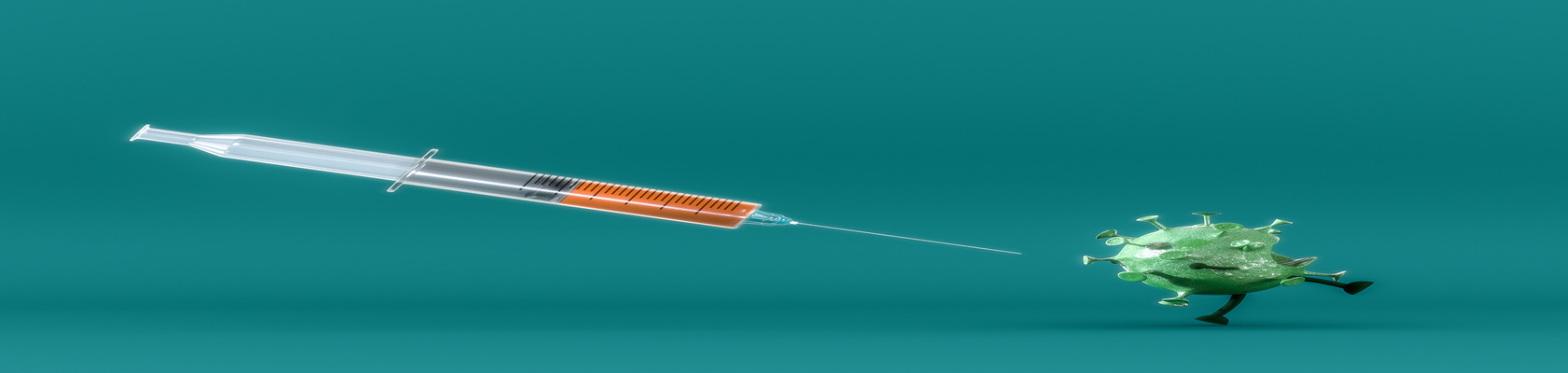
E vetmja mënyrë parandalimi është vaksinimi.
Dhe jo vetëm fëmijët duhet të vaksinohen, por edhe të rriturit! Vaksinimi i fëmijëve dhe të rriturve kundër difterisë dhe tetanozit është përfshirë në kalendarë dhe ofrohet nga shteti pa pagesë për pacientin.
Një vaksinë komplekse përdoret për të parandaluar difterinë. Kjo do të thotë, do të mbrojë jo vetëm nga difteria, por edhe nga kolla e mirë dhe tetanozi, ose difteria dhe tetanozi.