
Çfarë është infeksioni pneumokokal?
Ky është një grup sëmundjesh të shkaktuara nga një bakter i quajtur pneumokok. Infeksioni pneumokoku shkakton sëmundje të veshëve (otitis), mushkërive (pneumoni), gjakut (bakteremi, sepsë) dhe trurit (meningjiti). Pavarësisht se në shumicën e pacientëve infeksioni kalon pa komplikime, në disa raste janë të mundshme komplikime serioze, paaftësi të përjetshme dhe madje edhe vdekje. Fëmijët nën 2 vjeç dhe grupet e rrezikut mjekësor janë veçanërisht të prekshëm ndaj këtij infeksioni.
Është infeksioni pneumokokal ai që është një nga shkaqet më të shpeshta të komplikimeve bakteriale të infeksioneve virale tek fëmijët nën 2 vjeç - otitis, pneumoni, meningjiti. Trajtimi me penicilinë dhe antibiotikë të tjerë aktualisht nuk është aq efektiv sa më parë, sepse disa shtame të pneumokokut kanë zhvilluar rezistencë ndaj antibiotikëve. Kjo e bën edhe më urgjente parandalimin e sëmundjeve nëpërmjet vaksinimit.
Cilat janë simptomat e sëmundjes?
Infeksioni pneumokoku shkakton një grup të tërë sëmundjesh, kështu që simptomat varen nga cili organ është prekur.
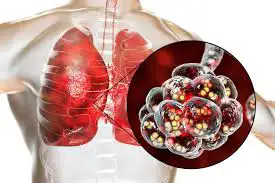
Pneumonia pneumokokale (inflamacion i mushkërive) shkakton:
Meningjiti pneumokokal (një infeksion i meningjeve) shkakton:
Infeksioni pneumokoku shkakton deri në 50% të otitit media (infeksionet e veshit). Simptomat e kësaj sëmundjeje: dhimbje në vesh; skuqje dhe inflamacion i daulles së veshit; ndonjëherë ethe ose përgjumje.
Bakteremia pneumokokale dhe sepsa pneumokokale (infeksionet e gjakut) shkaktojnë ethe, të dridhura dhe reduktim të përgjigjes ndaj stimujve të jashtëm.
Sa të rrezikshme janë këto sëmundje?
Ecuria e sëmundjes mund të ndryshojë nga e lehtë në shumë e rëndë. Për shembull, sipas të dhënave nga Qendrat për Kontrollin dhe Parandalimin e Sëmundjeve, SHBA, rreth 2000 raste të sëmundjeve të rënda (bakteremia, pneumonia me bakteremi dhe meningjiti) te fëmijët nën 5 vjeç regjistrohen çdo vit në SHBA. Këto sëmundje mund të çojnë në paaftësi të përjetshme: shurdhim, dëmtim të trurit, humbje të gjymtyrëve. 1 në 12 fëmijë që sëmuren nga meningjiti pneumokokal vdes.
Si mund të infektoheni?
Infeksioni pneumokoksik përhapet përmes ajrit: kur një person i infektuar kollitet, teshtin ose madje flet me ju nga një distancë e afërt. Në fund të fundit, ndonjëherë njerëzit e infektuar nuk kanë simptoma, por janë bartës të baktereve që mund të jenë në zgavrën e hundës ose orofaringut. Individë të tillë gjithashtu mund të përhapin infeksionin dhe të infektojnë të tjerët.
Si të mbroheni nga infeksioni pneumokok?
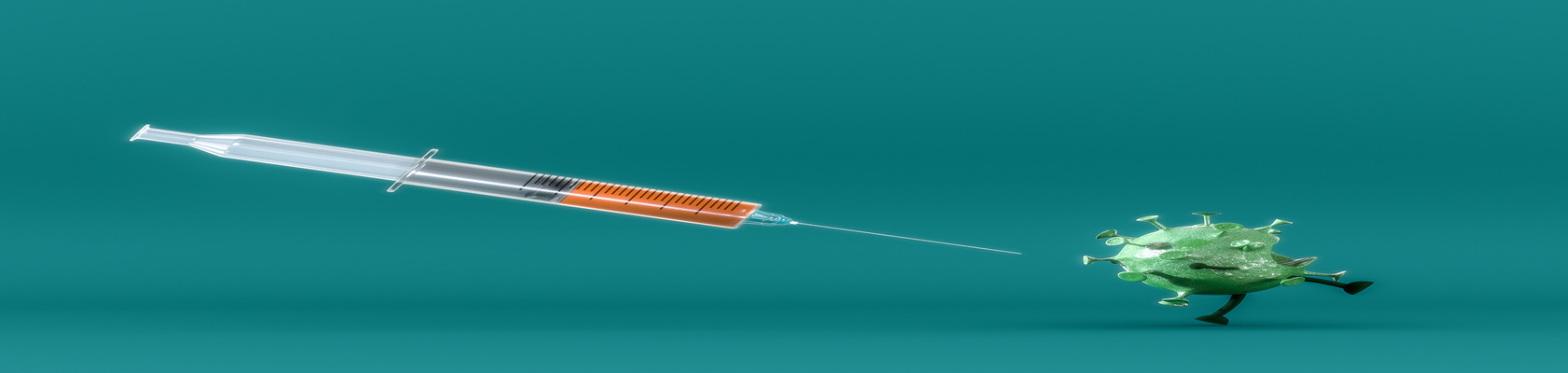
Për shkak të përhapjes së rezistencës ndaj antibiotikëve (situatat kur trajtimi me antibiotikë humbet efektivitetin, sepse për shkak të përdorimit të tepërt të tyre, mikroorganizmat bëhen të pandjeshëm ndaj tyre), parandalimi i infeksionit pneumokokal me vaksinim bëhet edhe më urgjent.
Në Kosovë janë regjistruar 2 vaksina kundër infeksionit pneumokokal - Synflorix dhe Prevenar 13. Të dyja mund të përdoren nga mosha 6 javëshe. Synflorix përdoret për fëmijët nën 5 vjeç, Prevenar 13 - për të gjitha kategoritë e moshave. Skema e vaksinimit varet nga mosha kur është nisur. Vaksina kundër pneumokokut është një nga ato të rekomanduara dhe mund të blihet në një farmaci me shpenzimet e pacientit dhe të administrohet në një institucion mjekësor komunal ku ai shërbehet, ose në një klinikë private.
Kush ka nevojë kryesisht për vaksinimin kundër infeksionit pneumokokal?
Për fëmijët deri në 2 vjeç, personat nga grupet e rrezikut mjekësor, të moshuarit.